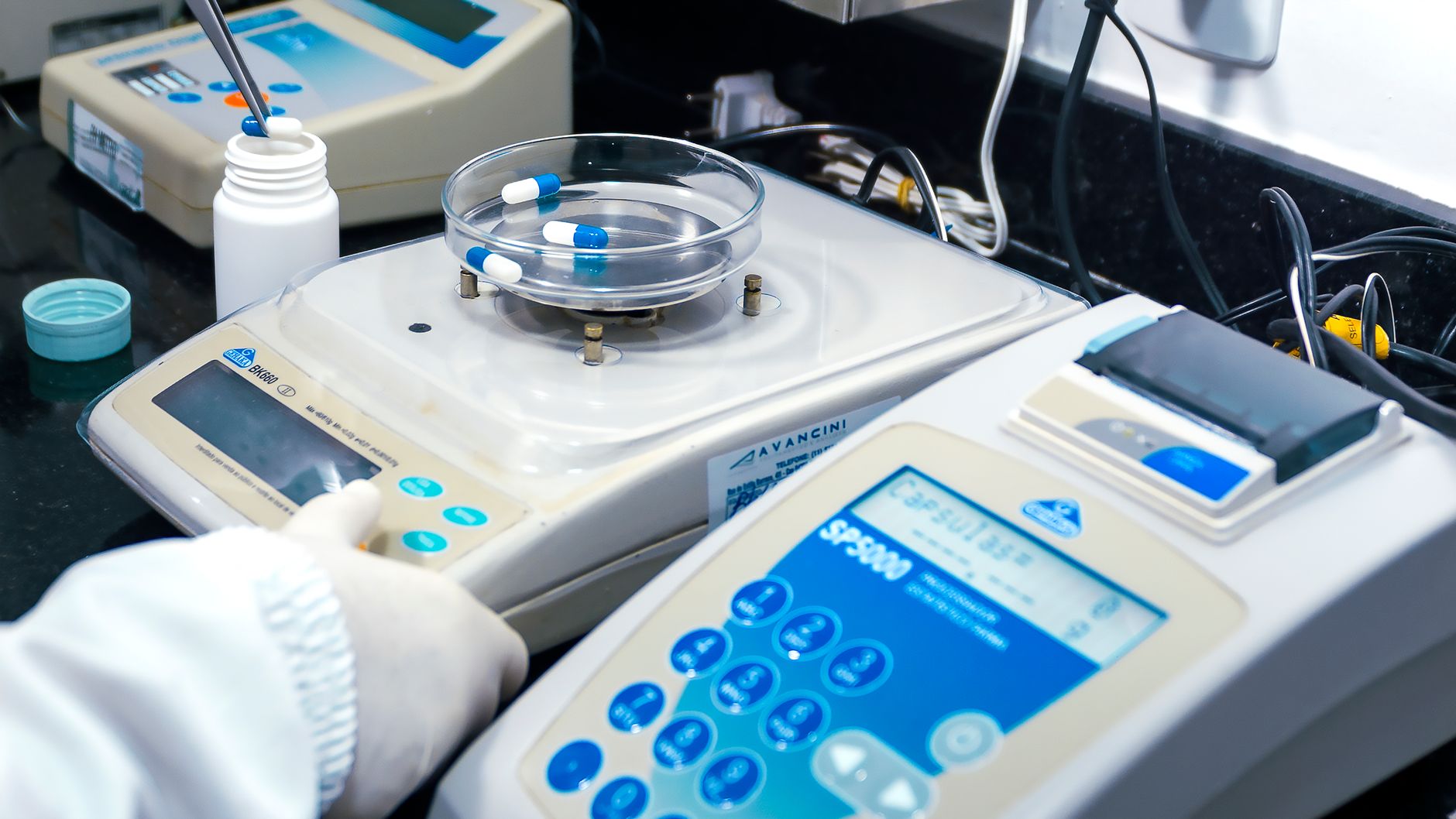
Drug testing can feel confusing even when you’re not the one taking the test. If you’re a caregiver, an older adult coordinating services, a family member helping a loved one, or an employer trying to do the right thing, you’ve probably heard strong opinions like “hair tests are unbeatable” or “urine tests are the only ones that matter.” The truth is more practical (and a little more nuanced): hair follicle tests and urine tests are built to answer different questions, and their “accuracy” depends heavily on what you mean by accurate.
In this guide, we’ll compare hair and urine testing in plain language: what each test detects, how far back it can see, how likely it is to miss something, and what can cause false positives or false negatives. We’ll also talk about real-world situations, like safety-sensitive work, caregiving environments, and regulated transportation, where the choice of test can have serious consequences.
And because many readers on seniorserviceprovider.com are supporting others through health, employment, and life transitions, we’ll also cover what happens when a test result triggers next steps. A drug test is rarely “just a test” in the real world; it often sets off policies, paperwork, and sometimes a path back to work.
What “accuracy” really means in drug testing
When people ask whether hair tests are more accurate than urine tests, they often mean one of three things: (1) which test is more likely to catch drug use, (2) which test is less likely to wrongly accuse someone, or (3) which test is more defensible for legal or workplace decisions. Those are related, but they’re not identical.
Accuracy in drug testing usually breaks down into a few technical ideas: sensitivity (how well a test detects small amounts), specificity (how well it avoids reacting to things that aren’t the drug), and the detection window (how far back it can detect use). A test can be very sensitive but still be a poor fit if it looks too far back, or not far enough, for your goals.
It also matters whether you’re talking about the initial screening test or the confirmatory test. Most reputable programs use a two-step approach: a broader screening method first, then a more precise confirmation (often GC/MS or LC/MS/MS) if the screen is positive. That confirmation step is a big part of what people mean when they say a result is “solid.”
How hair follicle drug testing works (and what it actually measures)
Despite the name, a “hair follicle” test typically doesn’t test the follicle under the skin. It tests the hair shaft, usually a small sample cut close to the scalp. As hair grows, trace amounts of drug metabolites can become incorporated into the hair. That creates a kind of timeline of exposure that can stretch back weeks to months.
Most standard hair testing uses about 1.5 inches of hair from the scalp, which roughly corresponds to about 90 days of growth (hair growth rates vary by person). That’s why hair testing is often described as a “long-term” test: it’s designed to show patterns of use over time, not just what happened yesterday.
Hair testing tends to be strong at identifying repeated or heavier use over a longer window. But it’s not perfect at pinpointing very recent use, and it can be influenced by things like hair color, hair treatments, and environmental exposure, though reputable labs include washing steps and confirmation methods to reduce those issues.
How urine drug testing works (and what it actually measures)
Urine testing measures drug metabolites that your body has processed and excreted. In most cases, urine is best at detecting recent use, often within the past few days, depending on the substance, dose, frequency, and individual metabolism.
Urine tests are common because they’re relatively affordable, widely available, and well-understood in workplace and clinical settings. They also have established cutoff levels designed to reduce the chance that tiny, incidental exposures trigger positives.
Urine testing is often the go-to when the goal is to identify current or very recent impairment risk. It’s not a perfect “are you impaired right now?” test (that’s a different question), but it can be a useful proxy for recent use in many policies.
Detection windows: the biggest reason hair and urine feel so different
Detection window is where most of the confusion comes from. Hair tests can reflect use over a longer period, while urine tests mostly reflect recent use. If you’re trying to understand whether someone has been consistently abstinent for months, hair may be more informative. If you’re trying to know whether someone used in the last 1–3 days, urine is usually the better tool.
Here’s the key point: a longer detection window is not automatically “more accurate.” It’s just different. A hair test might correctly detect use from weeks ago, but if the decision you’re making is about today’s safety, that information may not be the most relevant.
On the other hand, a urine test might be perfectly accurate for recent use and still miss something that happened a few weeks back. That doesn’t make it “worse”. It means it answers a narrower question.
Which test is more likely to catch drug use?
If the goal is to catch any drug use over a longer span, especially repeated use, hair testing often has an advantage. Someone who used a drug multiple times over a 90-day period is more likely to show a detectable pattern in hair than in urine, where the metabolites may clear in days.
Urine testing can catch recent use very well, but it can be easier to “time” around if someone knows a test is coming (for non-random situations). That’s one reason some employers like hair testing for pre-employment screening: it can reduce the likelihood that someone simply abstains briefly to pass.
That said, hair testing is not a great choice for detecting use within the last day or two. It often takes time for metabolites to incorporate into hair above cutoff levels. So if you’re looking for immediate recency, urine tends to be more responsive.
False positives and false negatives: what can go wrong
No test is immune to errors. A “false positive” means the test indicates drug use when there wasn’t any. A “false negative” means the test misses drug use that did happen. Both can be harmful, especially when test results affect employment, licensing, caregiving eligibility, or access to services.
With urine tests, false positives are often discussed in the context of cross-reactivity during the initial immunoassay screen. Some medications and even certain foods can, in rare cases, trigger a presumptive positive. This is why confirmation testing matters so much, confirmatory methods are far more specific.
With hair tests, concerns sometimes include environmental contamination (for example, being around smoke) and cosmetic treatments. Reputable labs wash hair samples and use confirmation testing to distinguish external contamination from internal incorporation, but it’s still a topic people worry about, especially if they’ve had a lot of exposure to other people’s use.
How labs improve reliability: cutoffs, confirmations, and chain of custody
When you hear someone say a test is “highly accurate,” they’re usually talking about what happens after a positive screen. Most quality testing programs don’t stop at the first result. They use confirmatory testing with sophisticated instruments that identify specific metabolites and quantify levels.
Cutoff levels are another major piece of the puzzle. Both urine and hair testing use cutoffs to avoid flagging tiny amounts that could come from incidental exposure. Those cutoffs vary by drug class and by program (workplace, clinical, legal). A test can be sensitive without being overly punitive if the cutoffs are set thoughtfully.
Chain of custody also matters, especially in employment or legal contexts. Proper labeling, sealed containers, documented handoffs, and secure lab procedures reduce the risk of mix-ups. If a test result will affect someone’s livelihood, the process around the sample can be just as important as the chemistry.
Substances and testing: why “accuracy” varies by drug type
Different drugs behave differently in the body, and that affects detection. For example, THC (cannabis) metabolites can linger longer in urine for frequent users than for occasional users, which can make the urine detection window feel “unfair” to some people. Meanwhile, some other substances clear more quickly.
Hair testing can detect a range of substances, but incorporation rates and metabolite stability can differ. That means the same test method may be excellent for identifying repeated cocaine use, for example, while being less straightforward for other substances depending on the lab’s panel and cutoffs.
Prescription medications add another layer. A positive result isn’t automatically “illicit use.” Medical review processes exist so that legitimate prescriptions can be considered. If you’re supporting an older adult who takes multiple medications, it’s worth knowing that a well-run program should have a way to verify prescriptions before finalizing a result as a violation.
Hair testing and fairness: hair color, texture, and cosmetic treatments
One of the more sensitive discussions around hair testing is whether it can be biased by hair characteristics. Some research and policy debates have raised concerns that melanin content may influence drug binding in hair, potentially affecting detection rates across hair colors. This is one reason some organizations are cautious about relying solely on hair testing for decisions with major consequences.
Hair texture and growth rate can also play a role in what period a sample represents. A 1.5-inch sample is often treated as “about 90 days,” but hair doesn’t grow at exactly the same rate for everyone. That doesn’t make the test useless. It just means the timeline isn’t as precise as people assume.
Cosmetic treatments like bleaching, dyeing, or heavy heat treatments can sometimes reduce detectable levels. Labs may note when a sample appears heavily treated, and policies may address what happens if a sample is insufficient or compromised. If you’re advising someone, it’s better to be upfront about treatments than to hope it doesn’t matter.
Urine testing and tampering: dilution, substitution, and adulterants
Urine testing has its own challenges, especially around attempts to cheat. Dilution (drinking excessive water), substitution (using someone else’s urine), and adulterants (adding chemicals) are well-known tactics. That’s why many programs check temperature, creatinine levels, specific gravity, and other validity markers.
A negative test that is also “dilute” can create a gray area. Some employers treat it as a retest situation; others may treat repeated dilute results as suspicious. Policies vary, and that’s where people can get caught off guard, especially if they were simply over-hydrating out of nerves.
Observed collections are sometimes used in regulated or high-stakes contexts, but they raise privacy concerns. The goal is to balance dignity with integrity. If you’re supporting someone through testing, knowing what to expect during collection can reduce anxiety and reduce accidental missteps.
So which is more accurate: hair or urine?
If we define “more accurate” as “more likely to detect drug use over a longer period,” hair testing often comes out ahead. If we define it as “more accurate for very recent use,” urine usually wins. If we define it as “more standardized and widely accepted in certain regulated programs,” urine often has the advantage because many regulations and established procedures are built around it.
In other words, accuracy is not a single scoreboard. It’s about matching the tool to the job. Many organizations choose one method based on cost and policy, not just science. Others use both at different points (for example, hair for pre-employment and urine for random testing).
If you’re making a decision for a caregiving organization, a senior living environment, or any setting where trust and safety matter, it can help to ask: Are we trying to identify a long-term pattern that could affect reliability? Or are we trying to reduce immediate safety risk? Those questions point you toward different tests.
Workplace and safety-sensitive roles: why policy matters as much as the test
In many workplaces, the testing method is set by policy, contracts, insurance requirements, or regulation. Even if hair testing seems “better” in a general sense, it may not be the method that counts for a specific program.
Safety-sensitive roles raise the stakes. A single result can trigger removal from duty, mandatory evaluation, follow-up testing, and a structured process to return. That process is often misunderstood, and people sometimes assume they can simply “take another test” and move on. In regulated environments, it rarely works that way.
If someone is navigating a regulated return-to-work situation, understanding the formal requirements is crucial. For a clear overview of the DOT return to duty steps, it helps to read a structured explanation so there are fewer surprises along the way.
When a test result changes someone’s life: handling the human side
On paper, a drug test is a lab report. In real life, it can affect income, housing, family relationships, and self-esteem. For older adults and families, it can also affect caregiving arrangements, especially if a caregiver’s employment status changes suddenly.
If you’re supporting someone who tested positive, it’s worth slowing down before jumping to conclusions. Ask whether the result was confirmed, whether prescriptions were reviewed, and whether the test was conducted under a documented chain of custody. A calm, step-by-step approach helps people make better decisions.
It’s also smart to separate moral judgment from practical next steps. Whether the use was recreational, accidental, or related to a substance use disorder, the immediate priorities are usually safety, compliance with policy, and access to appropriate support.
Hair vs urine in real scenarios: choosing the right tool
Pre-employment screening
Pre-employment testing is often about reducing risk before someone is hired into a role with responsibility, driving, caregiving, handling medications, or working with vulnerable populations. Hair testing is popular here because it can reflect longer-term patterns rather than a narrow recent window.
Urine testing is also widely used for pre-employment because it’s cost-effective and familiar. Some employers prefer it because it’s easier to standardize and because their existing vendors and medical review processes are built around urine.
In practice, the “right” choice depends on what the organization values more: a longer lookback (hair) or a more immediate snapshot with long-standing procedural norms (urine).
Random testing programs
Random testing aims to deter use by creating uncertainty about timing. Urine testing fits well here because it’s designed to detect recent use, which aligns with the deterrence goal.
Hair testing can be used randomly too, but because it reflects longer-term exposure, it may feel less tied to a specific event. Some people see that as a plus (harder to “game”); others see it as a mismatch for policies meant to address recent use.
For safety-sensitive environments, random urine testing is often the established standard, and policies may be written specifically around that method.
Post-accident and reasonable suspicion situations
When an incident occurs, like a workplace accident or a situation that raises concern, timing matters. Urine testing is usually more informative than hair testing for identifying recent use near the time of the event.
Hair testing may not capture use that happened very recently, so it’s typically not the first choice if the question is “did use occur in the last day or two?”
In these situations, the most important thing is often following the policy exactly: timelines, documentation, and the correct testing method. Deviating from procedure can create disputes later, even if the intent was good.
What happens after a positive: evaluation, education, and structured follow-up
If a drug test triggers a formal process, especially in regulated transportation roles, there are often required steps beyond simply producing a negative test later. People can be surprised by how structured it is, including evaluations, recommended education or treatment, and follow-up testing plans.
If you’re trying to understand what it means to have a failed dot drug screen, it’s helpful to focus on the process rather than panic about the label. There are defined pathways that many people successfully complete, but they require attention to detail and compliance with each requirement.
For families and support networks, this is where encouragement and organization help a lot: keeping track of appointments, paperwork, and deadlines. The person involved may feel embarrassed or overwhelmed, and practical support can make the difference between a smooth process and repeated setbacks.
Practical tips for people preparing for a test (without trying to “hack” it)
There’s a lot of misinformation online about “detoxes” and tricks. Most of it is either ineffective or likely to create new problems (like a dilute urine specimen). If someone needs to test, the best approach is to focus on legitimate preparation: hydration as normal, sleep, and bringing a list of current prescriptions.
For urine tests, follow collection instructions carefully. Don’t over-hydrate out of anxiety. If you’re taking prescription medications, have documentation ready. If you have a medical condition that affects urination or hydration, consider notifying the collector or the program contact in advance.
For hair tests, be honest about hair treatments and discuss any concerns before the test rather than after a result. If someone has very short hair or limited head hair, policies may allow alternative collection sites (like body hair), which can change the lookback window. Knowing that ahead of time prevents confusion.
How caregivers and families can support someone going through testing
In senior care contexts, drug testing sometimes intersects with employment transitions, background checks, and staffing changes. If a caregiver is tested as part of a job requirement, a delayed or disputed result can disrupt care schedules and create stress for everyone involved.
Families can help by keeping communication respectful and focused on logistics. If a caregiver is anxious about a test, calm support can reduce mistakes like missed appointments or incomplete paperwork. If a test result is positive, it’s better to gather facts (confirmed result, prescriptions, policy) before making big decisions.
For older adults, changes in routine can be especially unsettling. If staffing changes occur due to testing policies, clear explanations and a steady plan for coverage can help reduce worry and maintain continuity of care.
Understanding the difference between “positive” and “impaired”
A drug test generally indicates exposure, not impairment. That distinction matters a lot, especially when older adults are involved. Some medications can be present in the body without causing impairment, and some impairment can occur even when a drug test is negative (for example, due to fatigue or medical conditions).
Workplace policies often treat a verified positive as a policy violation regardless of impairment because the goal is prevention and safety. That can feel harsh, but it’s part of how many safety programs are structured.
If you’re navigating these situations, it helps to ask what the policy is truly measuring: compliance with a drug-free standard, recent use, or fitness for duty. Different goals call for different tools and different kinds of evidence.
When you need more guidance: getting the right help early
Drug testing policies can be intimidating, especially when they involve regulated steps, required evaluations, and follow-up testing schedules. If someone is unsure what to do next, getting accurate information early can prevent costly delays.
If you’re looking for general resources and a clearer picture of what a structured process can look like, you can visit website for more details and context. The big advantage of learning the process upfront is that it replaces guesswork with a checklist mindset.
Whether the situation involves hair testing, urine testing, or a specific workplace requirement, the most helpful next step is usually the same: confirm what test was used, confirm whether results were verified and reviewed properly, and then follow the required process step by step.
Key takeaways to keep in mind as you compare hair and urine tests
Hair testing tends to be better for identifying longer-term patterns of use, while urine testing is generally better for detecting recent use. Neither is universally “more accurate” without context; they’re designed for different time horizons and different policy goals.
False positives and false negatives are possible with both methods, which is why confirmation testing, medical review, and chain-of-custody procedures matter so much. If a result will affect employment or caregiving arrangements, make sure you understand whether the result was confirmed and how prescriptions are handled.
Finally, remember that testing is often just the start of a larger process. When policies require formal steps after a positive result, the best outcomes usually come from staying organized, seeking reliable guidance, and approaching the situation with a calm, practical plan.
City guides
Alcohol detox, city by city
Los Angeles
Why medical detox matters, the program types in the city, and how insurance usually applies.
San Diego
The detox process and its timeline, and how inpatient and outpatient programs differ.
San Jose
How detox works, the program types available, and the step that comes after it.
San Francisco
What detox involves and how the programs in the city differ from one another.
Fresno
The process, the program types, the therapy that follows and aftercare.
Sacramento
Programs, safety, detox methods, aftercare and what treatment costs.